‘We Are One (Ole Ola)’: The Story of the 2014 World Cup Song
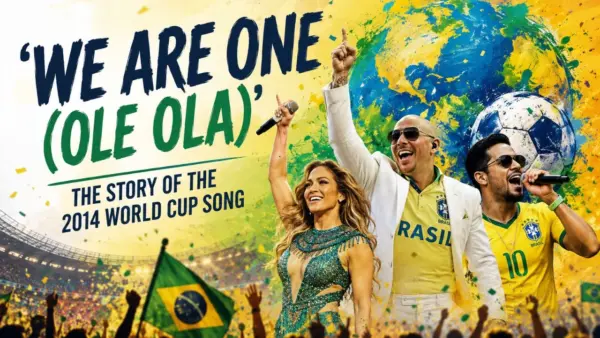
“We Are One (Ole Ola)” was the 2014 World Cup song by Pitbull, Jennifer Lopez and Claudia Leitte. Its meaning, the backlash, and its legacy ahead of the 2026 World Cup.

 Tanuja
“We Are One (Ole Ola)” was the 2014 World Cup song by Pitbull, Jennifer Lopez and Claudia Leitte. Its meaning, the backlash, and its legacy ahead of the 2026 World Cup.
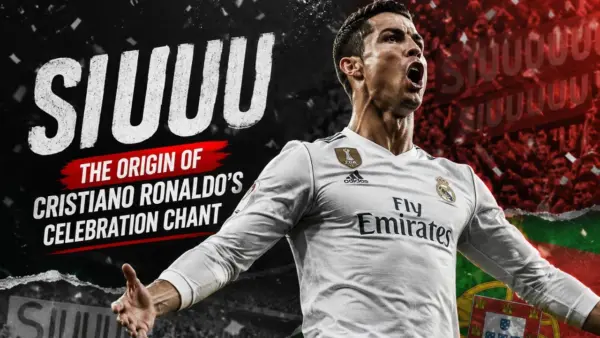
What is “Siuuu”? The origin of Cristiano Ronaldo’s iconic celebration shout, how crowds turned it into a chant, and where you’ll hear it at the World Cup 2026.
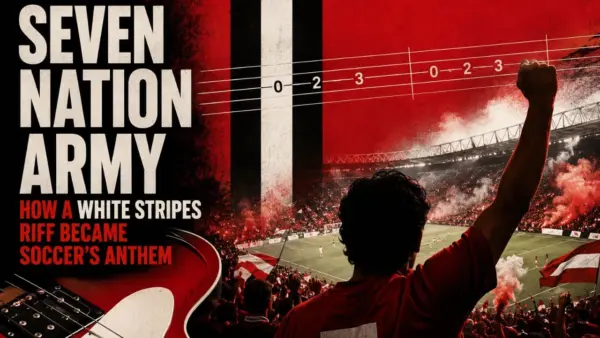
How did “Seven Nation Army” become football’s universal chant? The White Stripes riff, its origin in the stands, and why it rings out at the World Cup 2026.
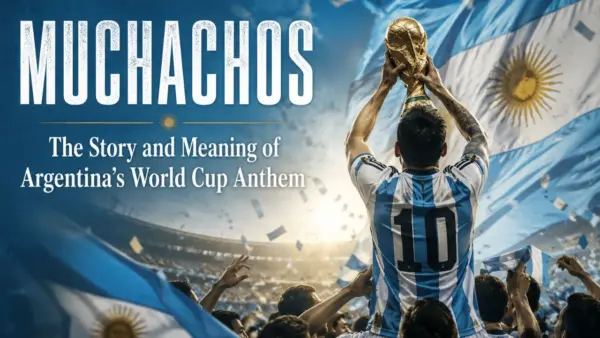
“Muchachos” explained: the meaning of Argentina’s emotional fan anthem, its La Mosca melody, and the Maradona and Messi references — for the World Cup 2026.
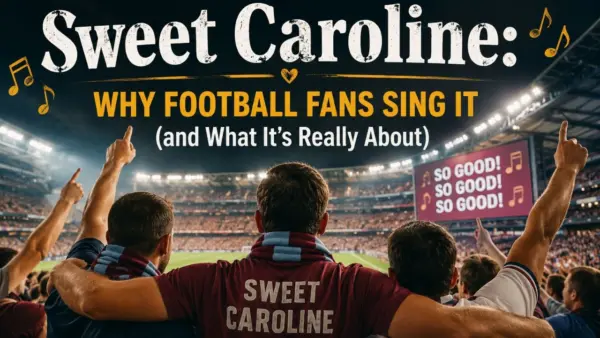
Why do football fans sing “Sweet Caroline”? The Neil Diamond classic’s meaning, how England fans adopted it, and why it’s a stadium staple at the World Cup 2026.
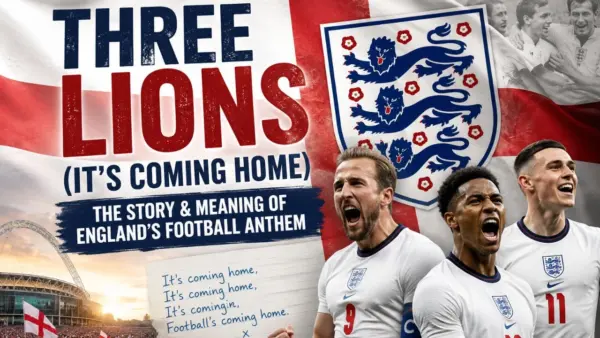
“Three Lions (It’s Coming Home)” explained: who made it, what “thirty years of hurt” means, and why England sings it every tournament — including the World Cup 2026.
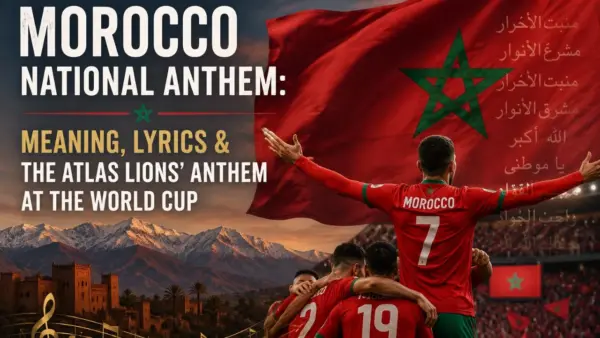
Morocco’s national anthem (the Cherifian Anthem): meaning, history and lyrics — and why the Atlas Lions’ anthem hits so hard after their 2022 World Cup run.
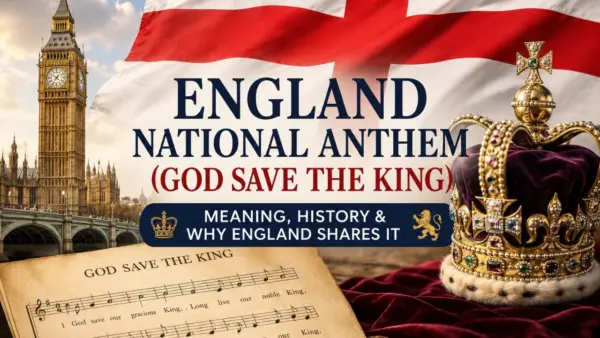
England’s national anthem is “God Save the King” — the UK anthem. Its meaning, history, and why it changed from ‘Queen’ to ‘King’ — for the World Cup 2026.
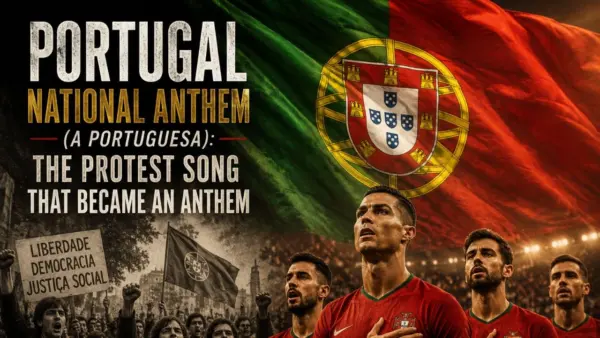
Portugal’s national anthem, A Portuguesa, began as a protest song. Its meaning, the lyric they changed, and its story — explained for the World Cup 2026.
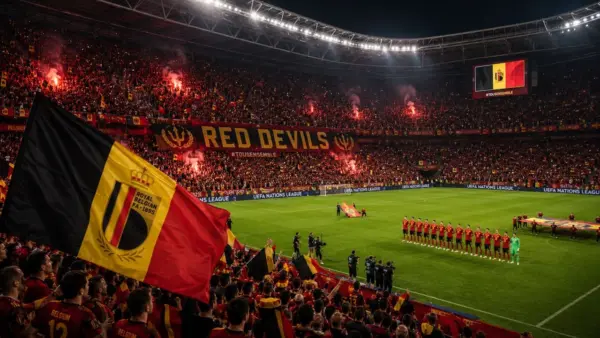
Belgium’s national anthem, La Brabançonne, is sung in French, Dutch and German. Its revolutionary origin, meaning and lyrics — explained for the World Cup 2026.