Every Song and Chant About Lionel Messi: From ‘Muchachos’ to the Terraces
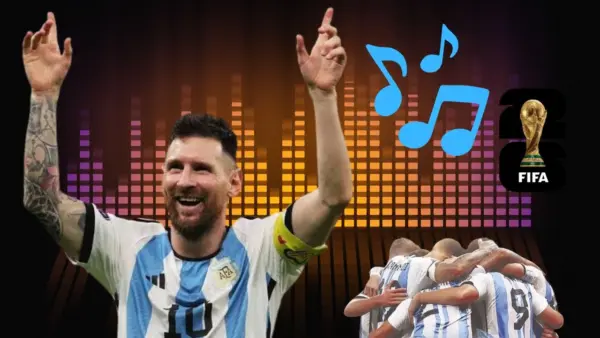
The songs and chants that have soundtracked Lionel Messi’s career — from Argentina’s ‘Muchachos’ to terrace chants — ahead of his World Cup 2026 campaign.

The songs and chants that have soundtracked Lionel Messi’s career — from Argentina’s ‘Muchachos’ to terrace chants — ahead of his World Cup 2026 campaign.
The 2026 FIFA World Cup doesn’t just have the biggest field in tournament history — 48 teams, three host nations, 104 matches. It also has, … Read more
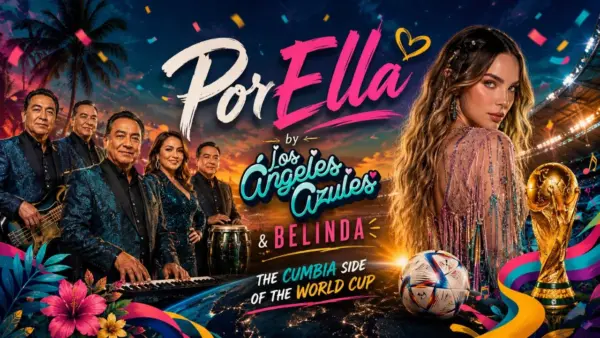
The Official FIFA World Cup 2026™ Album has hip-hop, Afrobeats, K-pop, country, and arena EDM covered. But it also has something that no previous World … Read more
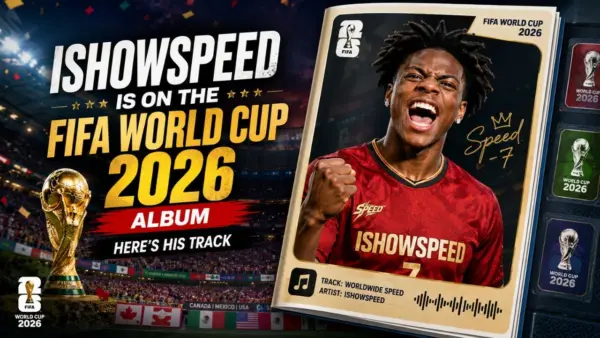
Nobody handed IShowSpeed a spot on the Official FIFA World Cup 2026™ Album. He went and grabbed it himself — and the way it happened … Read more
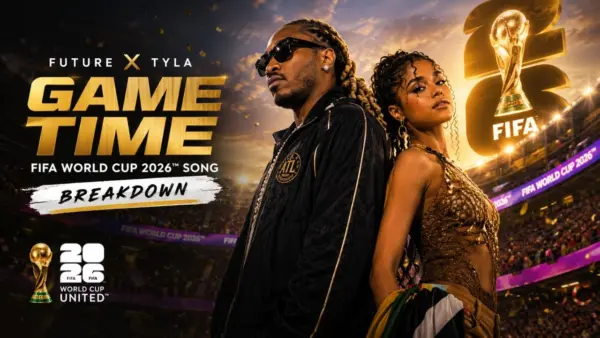
Nobody saw this pairing coming. When FIFA Sound began rolling out the Official FIFA World Cup 2026 Album earlier this year, the confirmed collaborations kept … Read more
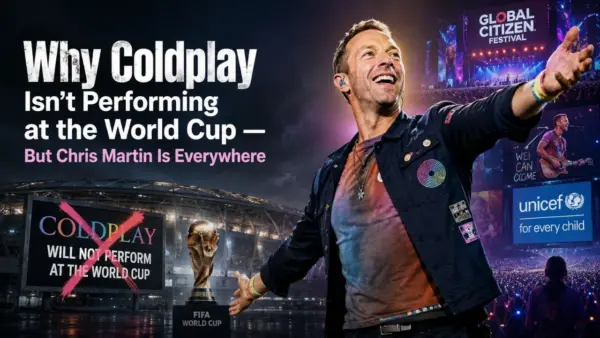
If you’ve been following the FIFA World Cup 2026 music news, you’ve probably noticed something odd. Chris Martin’s name keeps showing up in every headline … Read more
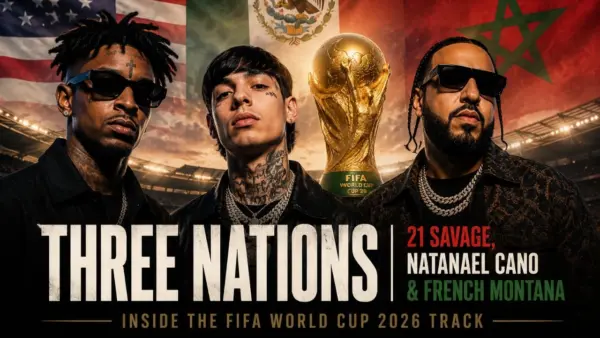
If your feed has suddenly been flooded with clips of 21 Savage, Natanael Cano, and French Montana trading verses over a stadium-sized beat, you’ve stumbled … Read more
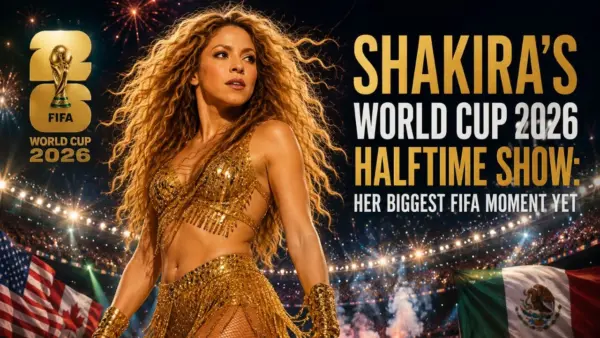
Shakira will co-headline the first-ever World Cup Final halftime show on July 19, 2026 — adding to a FIFA legacy that includes Waka Waka and the 2026 song Dai Dai.
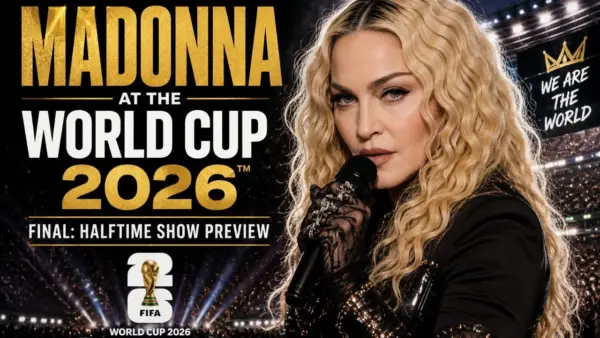
Madonna will co-headline the first-ever World Cup Final halftime show on July 19, 2026. What to expect from the Queen of Pop, the date, venue and full details.
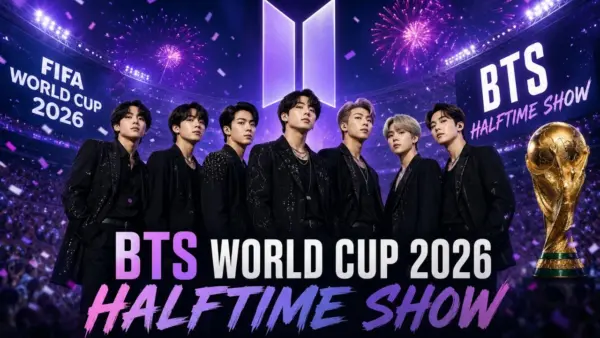
BTS will co-headline the first-ever World Cup Final halftime show on July 19, 2026. Date, venue, what to expect, and why it’s historic for ARMY and K-pop.